Introduction to "The Remarried Empress"
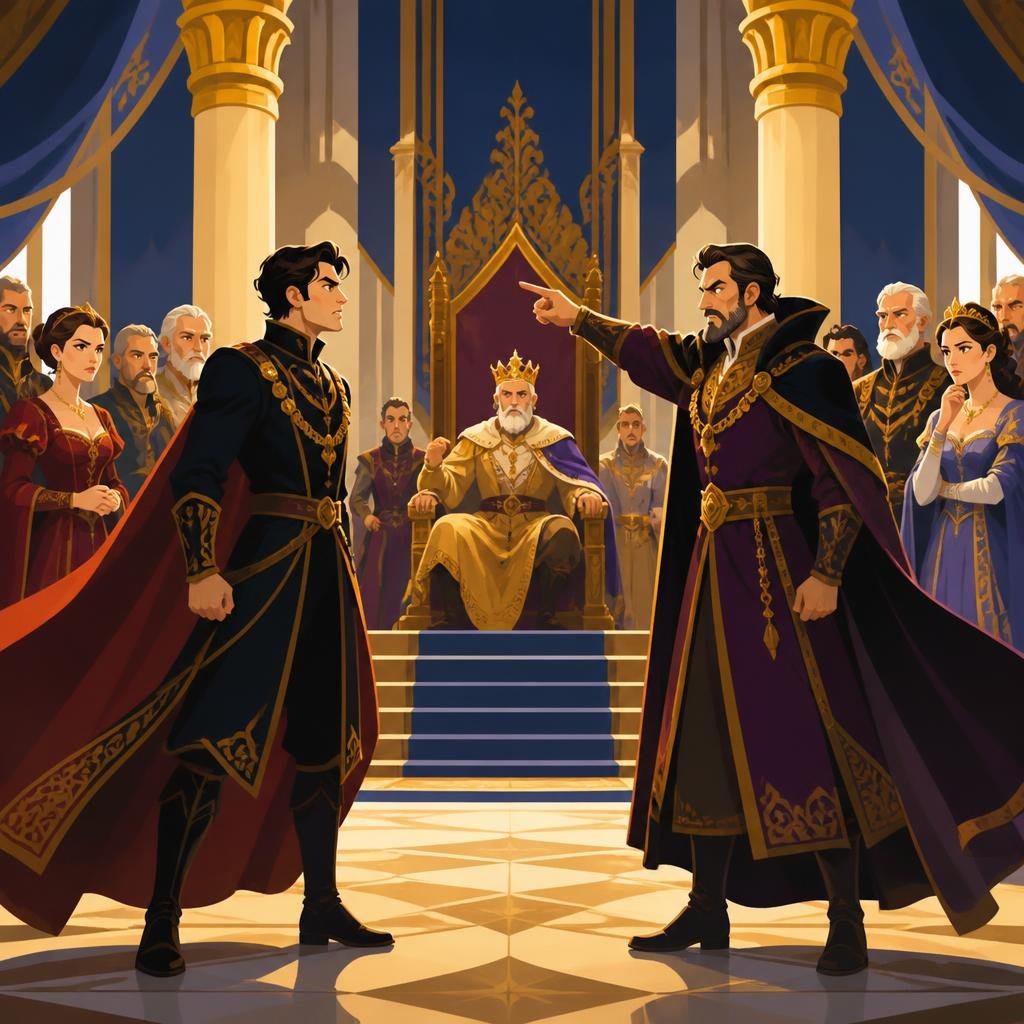
"The Remarried Empress" is a captivating drama that has taken the audience by storm with its compelling storyline and intricate character dynamics. Set in an opulent world of royalty and power, the series revolves around Navier, the perfect empress of the Eastern Empire, who finds herself at the crossroads of love and duty when her husband, Emperor Sovieshu, falls for a slave-turned-mistress, Rashta. Faced with an unexpected demand for divorce, Navier takes control of her destiny in an unexpected twist by demanding permission to remarry.
The Complex Character of Navier
Navier, portrayed by Shin Min-ah, is not just your typical empress. Her intelligence and grace are matched by a steely resolve that makes her a formidable presence in the royal court. Unlike many stories where the female protagonist is left devastated by betrayal, Navier channels her emotions into strength. Her decision to pursue a remarriage with Prince Heinley of the Western Kingdom is both a strategic move and a personal choice, reflecting her desire to reclaim agency over her life.
The Evolution of Navier’s Character
Navier’s journey is a testament to resilience and empowerment. Initially, she is the epitome of a perfect empress, fulfilling her duties with precision and care. As the story unfolds, however, she evolves into a symbol of empowerment, challenging societal norms by seeking remarriage. Her transformation from a dutiful empress to a woman who demands respect and autonomy resonates with audiences who yearn for stories of strong female characters defying traditional roles.
Emperor Sovieshu: The Conflicted Monarch
Emperor Sovieshu, played by Joo Ji-hoon, is a character shrouded in complexity. His infatuation with Rashta leads to a cascade of events that threaten the stability of his empire. Yet, Sovieshu is not portrayed as a one-dimensional antagonist. His internal conflict and vulnerability add layers to his character, making him both a tragic figure and a catalyst for the drama’s unfolding events.
Sovieshu’s Internal Struggle
Sovieshu’s actions, driven by his emotions and insecurities, reveal the challenges of leadership and the personal sacrifices that come with power. His journey is a poignant exploration of the consequences of his choices, both for himself and those around him. As he grapples with the repercussions of his decisions, Sovieshu’s character becomes a focal point for themes of love, regret, and redemption.
Rashta: The Enigmatic Mistress
Rashta, portrayed by Lee Se-young, is a character that sparks intrigue and controversy. Her rise from a runaway slave to the emperor’s favored mistress is a testament to her cunning and ambition. However, Rashta’s character is not merely a foil to Navier; she embodies the complexities of survival in a world where power dynamics are constantly shifting.
The Dual Nature of Rashta
Rashta’s story is as much about survival as it is about ambition. Her vulnerability and determination make her a multifaceted character who elicits both sympathy and disdain. As the narrative unfolds, Rashta’s motivations and backstory provide insight into her actions, adding depth to her role in the royal intrigue.
Prince Heinley: A New Hope
Prince Heinley, played by Lee Jong-suk, offers a stark contrast to the tumultuous world of the Eastern Empire. His character represents hope and new beginnings for Navier. With his charm and unwavering support, Heinley becomes a beacon of light in Navier’s journey, offering her the possibility of a future filled with love and respect.
The Role of Heinley in Navier’s Transformation
Heinley’s presence in Navier’s life catalyzes her transformation. His genuine affection and respect for Navier empower her to pursue her desires and challenge the status quo. Heinley’s character highlights the importance of supportive relationships in personal growth and underscores the theme of choosing one’s path in the face of adversity.
The Setting: A World of Opulence and Intrigue
The series is set against a backdrop of stunning palaces and lavish court life, which serves as a visual feast for viewers. The settings not only enhance the storytelling but also underscore the themes of power, betrayal, and the pursuit of happiness. The grandeur of the royal court contrasts with the personal struggles of the characters, creating a dynamic and engaging narrative.
The Significance of the Royal Court
The opulent setting of the royal court is more than just a backdrop; it is a character in its own right. The court’s rigid hierarchy and complex political landscape add tension and drama to the story, influencing the characters’ decisions and shaping their destinies. The visual splendor of the setting amplifies the stakes and heightens the emotional impact of the narrative.
The Cultural Impact and Reception
"The Remarried Empress" has garnered widespread acclaim for its captivating storyline and strong performances. Its exploration of themes such as autonomy, love, and power resonates with audiences, making it a cultural phenomenon. The series’ success is reflected in its high viewership ratings and the passionate discussions it has sparked among fans.
The Global Appeal of the Series
The universal themes and relatable characters of "The Remarried Empress" have contributed to its global appeal. The series transcends cultural boundaries, offering a story that speaks to the human experience of love, betrayal, and resilience. Its impact extends beyond entertainment, prompting viewers to reflect on their own relationships and choices.
Conclusion
"The Remarried Empress" is a masterful blend of drama, romance, and intrigue that captivates audiences with its rich storytelling and complex characters. At its heart, the series is a celebration of empowerment and the pursuit of happiness, offering a modern take on the timeless tale of love and redemption. As Navier navigates the challenges of her world, she inspires viewers to embrace their own power and forge their paths.