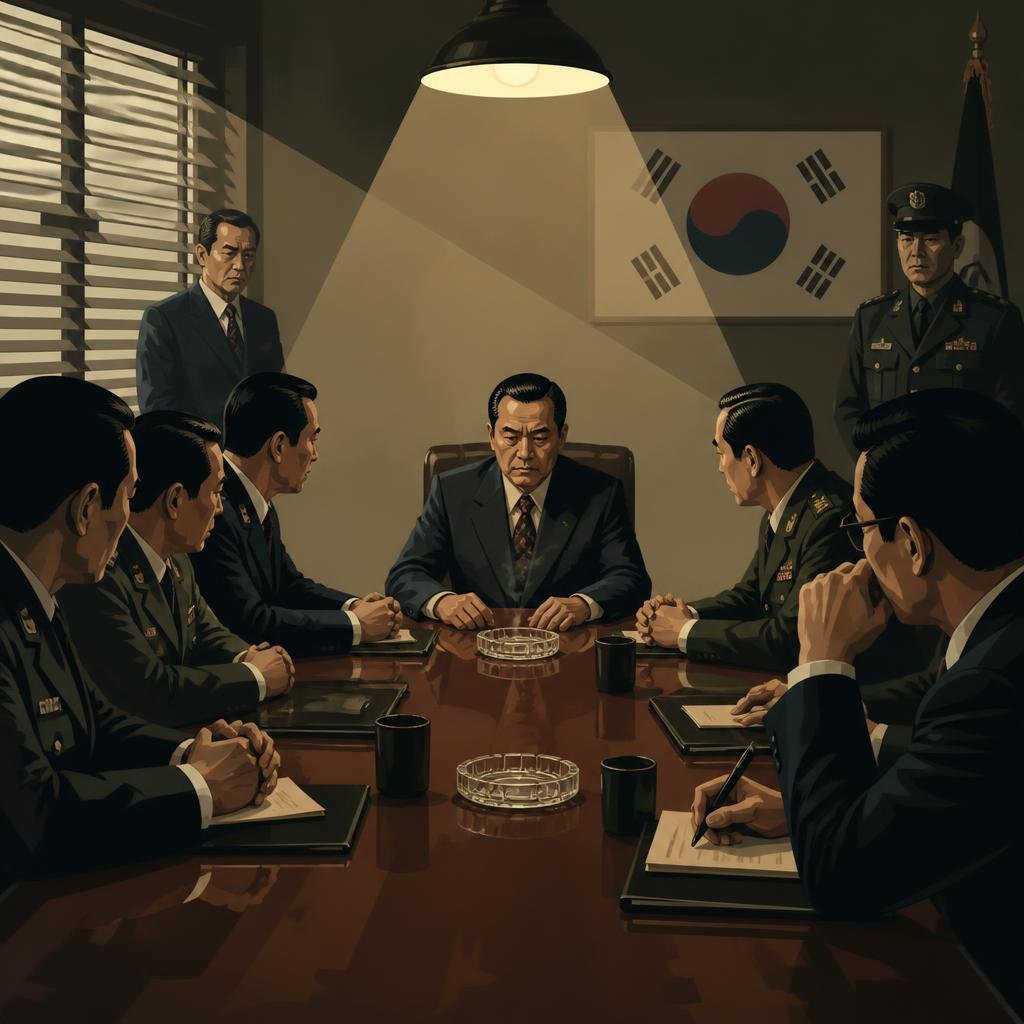
Introduction to the Assassins Phenomenon
The South Korean film "Assassins" has captivated audiences and sparked heated debates since its release. Directed by Heo Jin-ho, the movie is embroiled in controversy over its portrayal of historical events, yet it continues to draw large crowds to theaters. As the film edges towards breaking even and possibly setting box office records, we delve into the reasons behind its polarizing reception and financial success.
The Plot and Historical Context
"Assassins" is inspired by the real-life assassination attempt on South Korean First Lady Yuk Young-soo in 1974. The film offers a dramatized account of the events leading up to and following the incident, with a focus on political intrigue and mystery. The narrative’s speculative nature has led to allegations of historical distortion, particularly concerning the depiction of former President Park Chung-hee.
The Polarizing Reception
Audience Reactions
The film has received wildly varying ratings, with a stark contrast between critics and general audience members. On platforms like Naver, the average rating hovers around a disappointing 2.2 out of 10, largely attributed to the perceived inaccuracies in its historical portrayal. Conversely, audiences who have actually seen the film tend to give it a more favorable 8.3 out of 10, appreciating its suspenseful storytelling and strong performances.
Critic Reviews
Critics have been equally divided. Some praise the film for its gripping narrative and stellar performances by actors Yoo Hae-jin, Park Hae-il, and Lee Min-ho. Others criticize it for what they perceive as irresponsible storytelling that blurs the line between fiction and historical fact. This division is notably reflected in the film’s IMDb scores and various online film review platforms.
The Role of Controversy in Marketing
Controversy can often serve as a double-edged sword in the marketing of films. For "Assassins," the debate over historical accuracy has arguably contributed to its box office performance. The film’s marketing team has skillfully navigated these contentious waters, using the buzz surrounding the controversy as a form of ‘noise marketing,’ drawing curious audiences to theaters to judge the film for themselves.
The Box Office Triumph
Despite—or perhaps because of—the heated debates, "Assassins" has performed remarkably well at the box office. Within days of its release, the film had already attracted over 1.56 million viewers, securing its position at the top of the box office charts. This success is a testament to the film’s ability to engage and intrigue audiences, regardless of the controversies that surround it.
The Director’s Perspective
Director Heo Jin-ho has addressed the controversy, emphasizing that "Assassins" is a work of fiction, not a documentary. He acknowledges the film’s basis in real events but insists on the creative liberties taken to enhance the narrative. This stance has not quelled all criticism but highlights the ongoing dialogue about the role of artistic interpretation in films based on historical events.
Future Implications for Historical Dramas
The reception of "Assassins" raises important questions about the future of historical dramas in South Korea and beyond. As filmmakers continue to explore stories drawn from real events, they must balance artistic freedom with sensitivity to historical facts and public perception. The film industry may need to develop clearer guidelines or disclaimers to address the potential for misinterpretation in such works.
Conclusion
"Assassins" stands as a poignant example of the complex relationship between history, fiction, and film. While its portrayal of historical events has sparked significant controversy, the film’s success at the box office underscores the power of storytelling to captivate and provoke audiences. As the discussions around "Assassins" continue, it remains to be seen how the film will impact both historical dramas and the broader cinematic landscape.