The Emergence of AI in Examination Systems
In recent years, technological advancements have significantly altered the landscape of educational assessments. The "세무냥이" incident, a scandal involving an exam candidate who used AI to cheat in a tax accountant exam, has brought this issue into the spotlight. This isn’t merely a story of individual misconduct; it highlights the broader implications of integrating AI into testing environments.
The Incident: A Breach in the System
In November 2026, the news broke that a top scorer in the tax accountant exam, known online as "세무냥이," admitted to using AI-enabled devices to achieve a perfect score. This revelation exposed the vulnerabilities of current examination systems, which are struggling to keep pace with technological innovations.
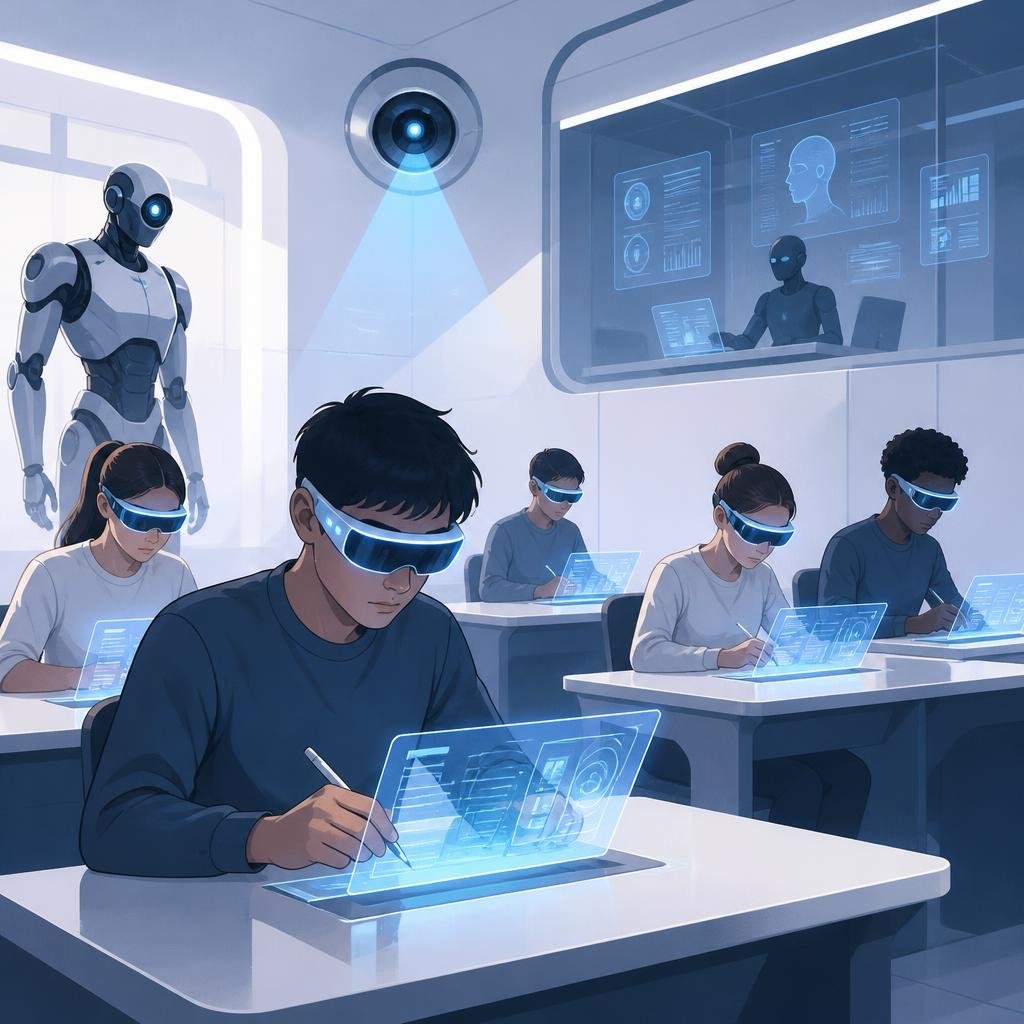
The candidate used sophisticated gadgets such as miniature cameras and AI glasses, which are not easily detectable. This incident sparked widespread concern over the integrity of academic qualifications, leading to discussions about the need for reform in exam monitoring.
The Matrix of the Old Evaluation System
The scandal has been likened to a "crack in the matrix," suggesting that the traditional systems, much like outdated software, are inadequate for today’s challenges. This analogy underscores the need for a radical overhaul in how exams are conducted and monitored.
A Wake-Up Call for Examination Boards
The use of AI in exams raises questions about fairness and equity. If technology can give certain candidates an undue advantage, it puts others at a disadvantage, undermining the fundamental principles of education.
To address these challenges, examination boards must explore new technologies and methods that can effectively counteract AI’s influence. This may include advanced surveillance technologies capable of detecting AI devices or even redesigning exams to focus on critical thinking and problem-solving skills that AI cannot easily replicate.
The Rise of "냥이" and Its Cultural Impact
The "세무냥이" incident has not only affected examination systems but also sparked a cultural phenomenon. The term "냥이" has become a derogatory label for individuals suspected of using technology to cheat in exams. This reflects a growing public skepticism towards high achievers, particularly in academic settings.
The Birth of Parody: "충주냥이" and Beyond
Following the incident, people began using the "냥이" suffix humorously to comment on other suspected cases of cheating. For instance, "충주냥이" became a playful moniker for another candidate who underperformed despite using similar AI technologies. This trend highlights the humor and satire often employed by the public to cope with serious issues.
Ethical Implications of AI in Education
The use of AI in cheating also raises significant ethical concerns. Is it fair to blame individuals entirely, or should we also hold accountable the systems that fail to adapt to technological advancements? This debate touches on broader questions about accountability and the role of technology in society.
Responsibility and Accountability
Educational institutions and testing bodies must acknowledge their role in preventing technological abuse. This includes implementing stricter regulations and investing in research to stay ahead of technological trends.
Moreover, there is a need for ethical guidelines on the use of AI in education to ensure that technology enhances rather than undermines learning experiences.
Preventive Measures and Future Directions
In response to the incident, several measures can be implemented to safeguard the integrity of examination systems. These include:
Advanced Monitoring Technologies
Investing in technologies that can detect unauthorized AI devices is crucial. This may involve the use of AI itself to monitor exams, creating a technological arms race that could ultimately benefit educational integrity.
Redesigning Assessments
Exams should be restructured to focus less on rote memorization and more on higher-order thinking skills. Open-book exams and project-based assessments are potential alternatives that can reduce the incentive to cheat.
Educating Students on Ethics
Educating students about the ethical use of technology is essential. This involves fostering a culture of integrity and emphasizing the value of honest achievement over mere scores.
The Broader Societal Impact
The "세무냥이" case is a microcosm of the broader societal challenges posed by rapid technological advancement. As AI becomes increasingly integrated into various aspects of life, society must navigate the complexities it brings.
Balancing Innovation and Integrity
Striking a balance between embracing technological innovation and maintaining ethical standards will be crucial in the coming years. This requires collaboration between educators, technologists, policymakers, and society at large.
Conclusion: Embracing Change with Caution
The "세무냥이" incident serves as a stark reminder of the need for vigilance and adaptability in our educational systems. As we move further into the AI era, we must ensure that our systems evolve to meet new challenges while upholding the principles of fairness and integrity. Only then can we create an educational environment that truly prepares students for the complexities of the modern world.