Netflix’s latest offering, "Scandal," is a gripping ride through the murky waters of love, deceit, and power dynamics set against the vibrant backdrop of the Joseon Dynasty. Inspired by the 2003 film "Scandal: Joseon Male and Female Love Affair" and the classic French novel "Dangerous Liaisons," this 8-part series transforms historical intrigue into a modern spectacle, captivating audiences with its daring narrative and complex characters.
The Alluring Premise of "Scandal"
"Scandal" weaves a tale that begins with a seemingly innocuous bet between two cousins, who are bound by blood but driven by darker desires. The series opens with the enigmatic Lady Cho, played by Son Ye-jin, who proposes a dangerous wager to her cousin, Jo Won, portrayed by Ji Chang-wook. Their challenge? To seduce Hyeyeon, a woman known for her unwavering virtue. This game of seduction quickly spirals into a whirlwind of passion and betrayal, leaving a trail of broken hearts and shattered dreams.
A Stellar Cast Brings Characters to Life
The series boasts a stellar cast, with Son Ye-jin playing the manipulative yet charismatic Lady Cho. Her portrayal of a woman trapped by societal constraints yet driven by unbridled ambition is nothing short of mesmerizing. Ji Chang-wook’s Jo Won is equally captivating, a man caught in the throes of his own charm and destructive desires. Nana, as Hyeyeon, delivers a poignant performance as the innocent caught in a web of deceit and passion.
Exploring the Themes of Desire and Power
At its core, "Scandal" delves into the themes of desire and power, unraveling how these forces drive individuals to the brink of ruin. The series artfully explores the power dynamics between the genders, highlighting the limited agency women possessed during the Joseon era. Lady Cho’s character embodies this struggle, as she manipulates the men around her to gain control over her own fate, challenging the patriarchal norms of her time.
The Visual Splendor of Joseon Dynasty
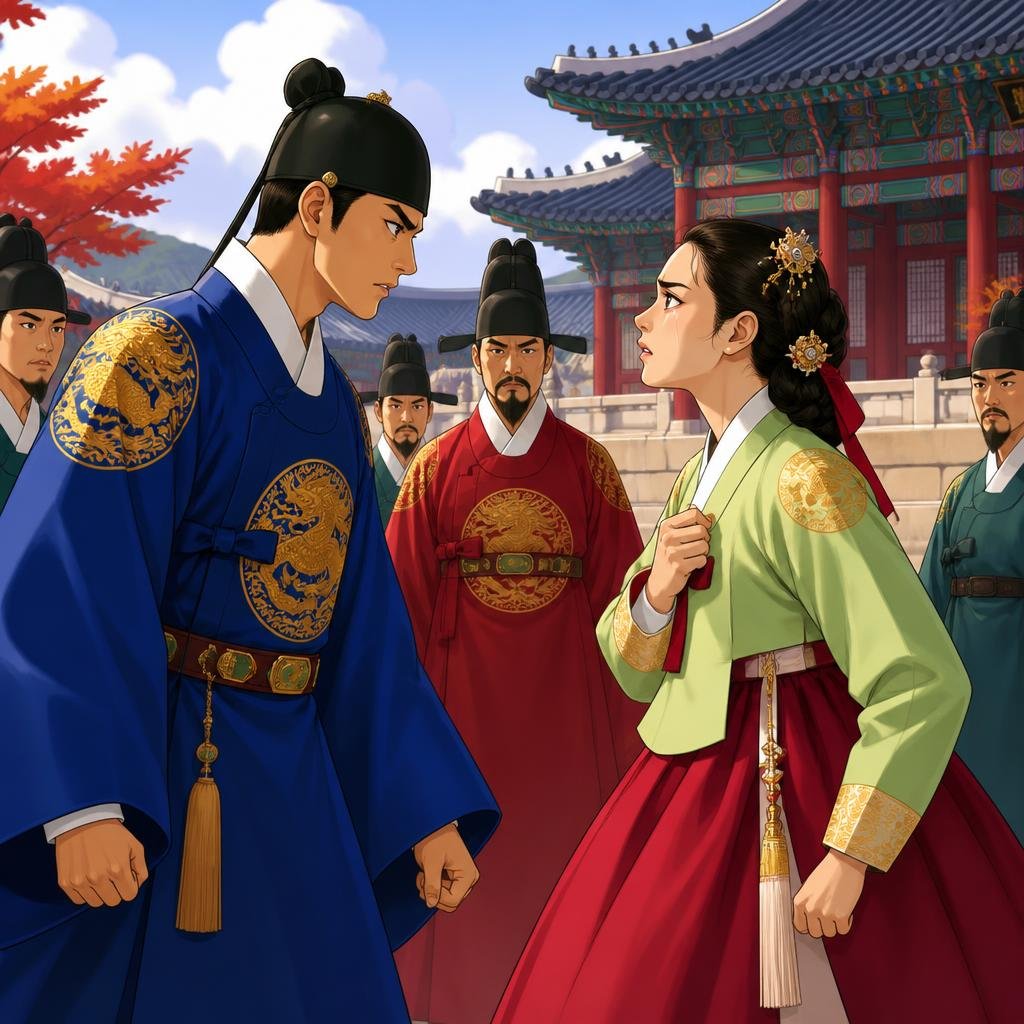
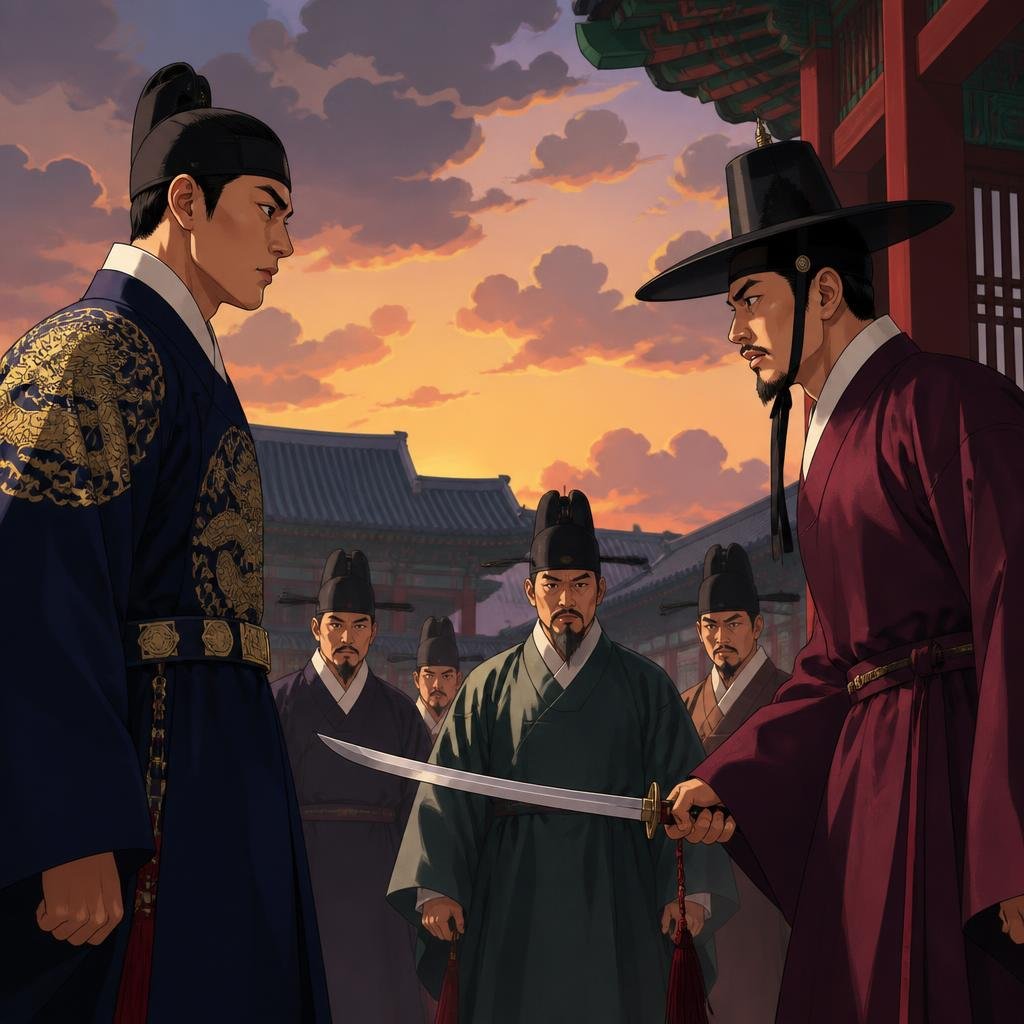
The setting of "Scandal" plays a crucial role in the narrative, with the opulent visuals of the Joseon Dynasty providing a stark contrast to the dark undertones of the story. The series captures the essence of the era with its lavish costumes and intricate set designs, transporting viewers to a world where beauty and deceit coexist in a delicate dance.
The Intricacies of the Plot: Love, Lies, and Consequences
As the episodes unfold, viewers are taken on a roller-coaster journey of emotions, with each episode revealing new layers of complexity within the characters’ relationships. The seductive game between Lady Cho and Jo Won becomes increasingly perilous, with Hyeyeon caught in the crossfire of their ambitions. The series deftly navigates the blurred lines between love and manipulation, leaving audiences questioning the true nature of the characters’ intentions.
A Tale of Redemption and Tragedy
Despite the dark themes, "Scandal" is also a story of redemption and tragedy. As the characters grapple with the consequences of their actions, they are forced to confront their own vulnerabilities and desires. The series culminates in a heart-wrenching climax, where love and betrayal reach their zenith, leaving viewers with a lingering sense of melancholy.
The Modern Relevance of a Historical Drama
While "Scandal" is set in a bygone era, its themes resonate with contemporary audiences, drawing parallels between the past and present. The series challenges viewers to reflect on the societal constructs that continue to shape gender dynamics and power struggles in today’s world. By reimagining a historical narrative through a modern lens, "Scandal" offers a fresh perspective on timeless human experiences.
Critical Reception and Cultural Impact
Since its release, "Scandal" has sparked widespread conversation, garnering praise for its daring storytelling and exceptional performances. Critics have lauded the series for its ability to blend historical drama with modern sensibilities, creating a narrative that is both engaging and thought-provoking. The series has also ignited discussions about the portrayal of gender roles and the complexity of human relationships, further cementing its place in the cultural zeitgeist.
Conclusion
Netflix’s "Scandal" is a masterful exploration of love, power, and betrayal, set against the lush backdrop of the Joseon Dynasty. With its compelling narrative, stunning visuals, and exceptional performances, the series offers a captivating journey into the depths of human desire and deception. As viewers become entangled in the intricate web of relationships and motivations, "Scandal" leaves an indelible mark, challenging us to question the very nature of love and ambition.